
Available Technologies
Our portfolio of high-impact innovations, ranging from market-ready solutions to research-validated early-stage inventions, is ready for partners to license and scale.
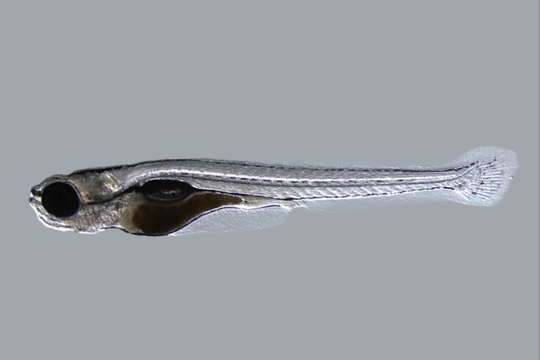
Transparent zebrafish enable noninvasive imaging of organs and fluorescent reporters, accelerating drug, toxicity, and mutation screens while lowering assay complexity and cost.
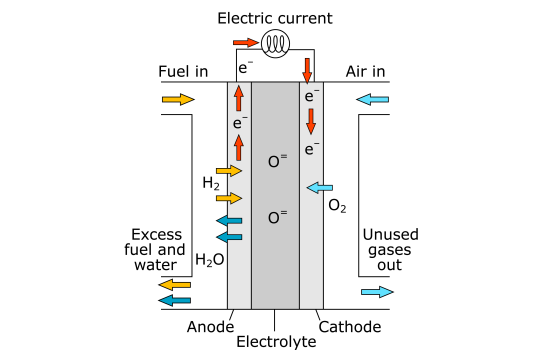
Multicomponent oxide catalysts improve alkaline electrolyzer efficiency and stability using earth-abundant materials, lowering green hydrogen production costs.
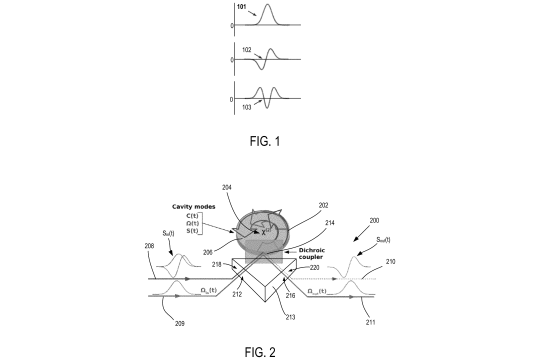
All-optical temporal-mode multiplexing increases data-channel control without electronics, enabling faster, lower-loss communications and photonic quantum information systems.
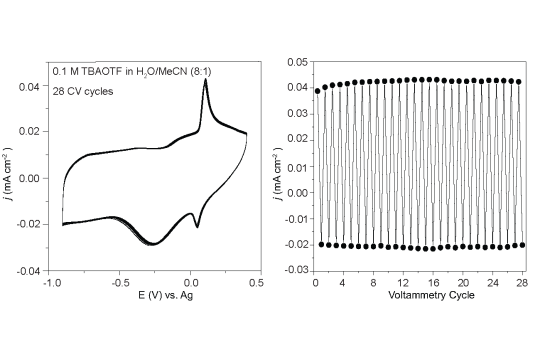
nanoMOF electrodes selectively identify and quantify anions with reusable, sensitive electrochemistry for environmental monitoring, diagnostics, and industrial process control.
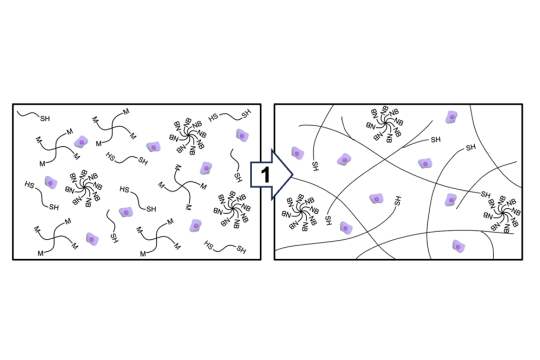
Aligned PEG hydrogels mimic musculoskeletal tissue structure, improving cell guidance and regenerative healing for tendon, ligament, and other soft-tissue repair.
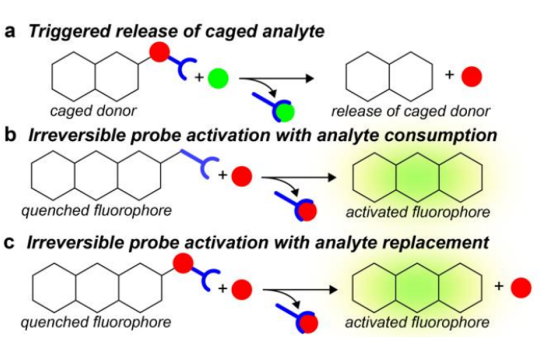
Triggerable thiocarbamates deliver sustained H2S/COS release, enabling tunable therapeutic and research tools for signaling studies and drug development.
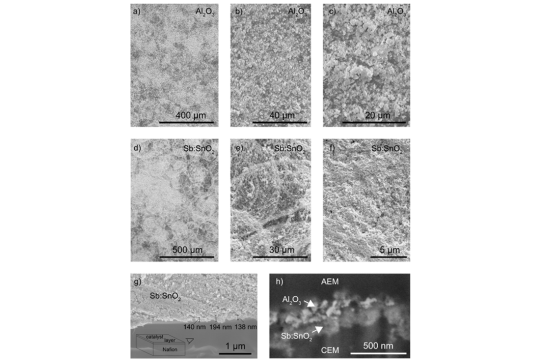
Catalyzed bipolar membranes accelerate water splitting at lower voltage, improving hydrogen production efficiency while enabling earth-abundant alkaline electrolyzer systems.
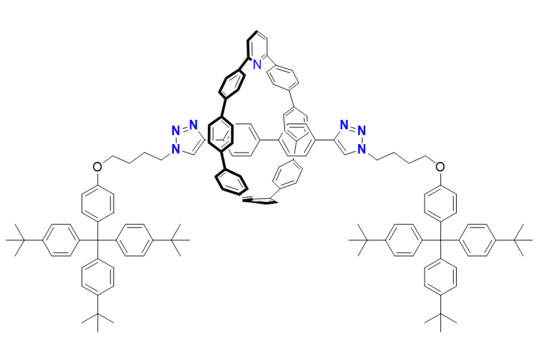
Metal-containing nanohoops create confined catalytic sites with atomic precision, enabling new reaction pathways and higher selectivity in advanced chemical manufacturing.
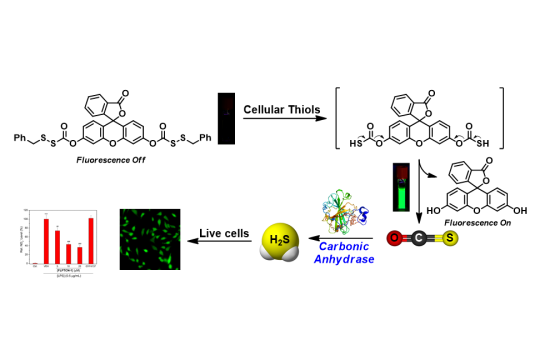
Thiol-triggered donors release COS/H2S with fluorescence readout, combining controlled delivery and real-time tracking for therapeutic and research applications.
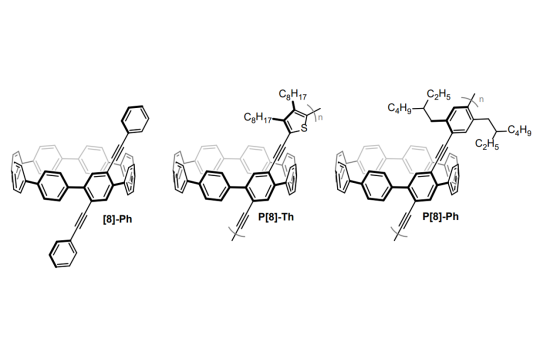
Conductive nanohoop polymers improve charge transport and mechanical performance, enabling flexible electronics, sensors, and next-generation organic devices.
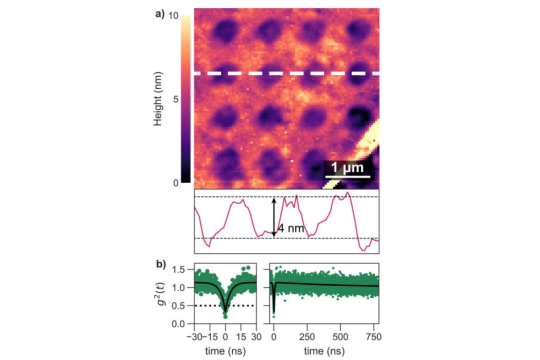
Focused-ion-beam patterning creates bright, stable hBN quantum emitters on demand, enabling manufacturable photonic components for quantum communication and sensing.
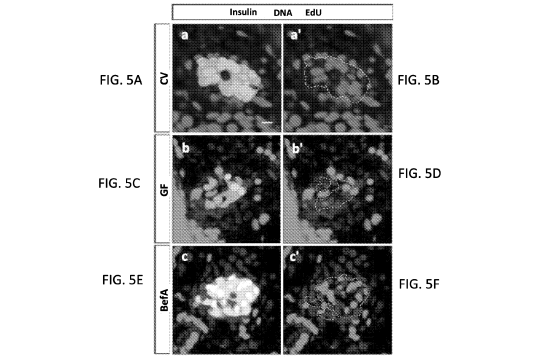
Microbiome-derived proteins restore insulin-producing beta cells, creating a disease-modifying platform for diabetes therapeutics plus companion zebrafish screening for discovery and validation.
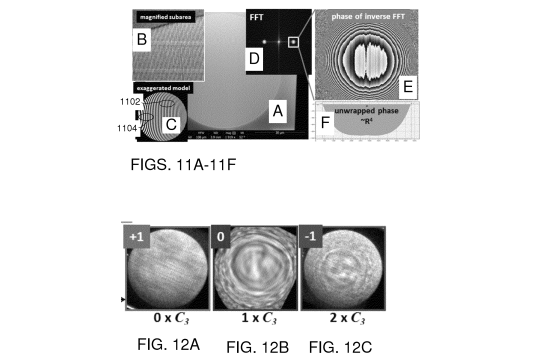
Gaussian electron beams improve beam shape and reduce diffraction artifacts, enabling sharper imaging and higher-precision measurements in electron microscopes and microprobes.
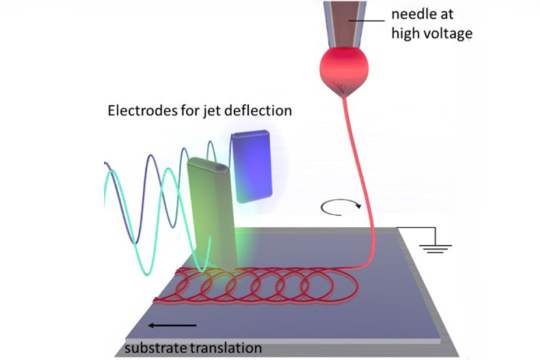
This monitoring method quantifies jet speed from printed patterns, improving process control and print fidelity in high-resolution fiber-based manufacturing.
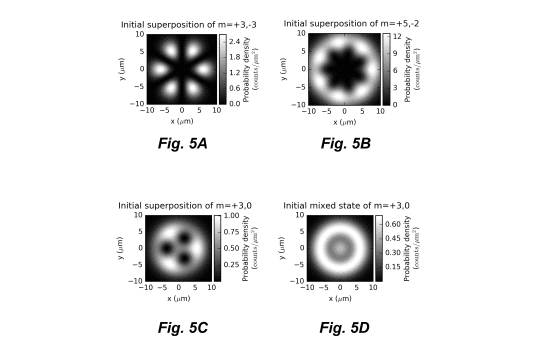
This orbital-state analyzer adds electron angular-momentum measurement to existing instruments, expanding spectroscopy and microscopy capabilities for materials and nanoscale characterization.
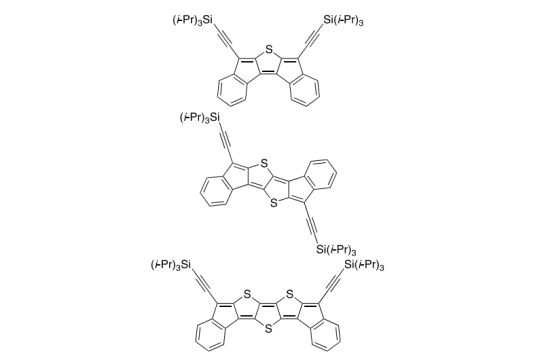
Stable biradical organic semiconductors enable singlet fission and spintronic performance, offering new materials for higher-efficiency solar cells and advanced electronics.
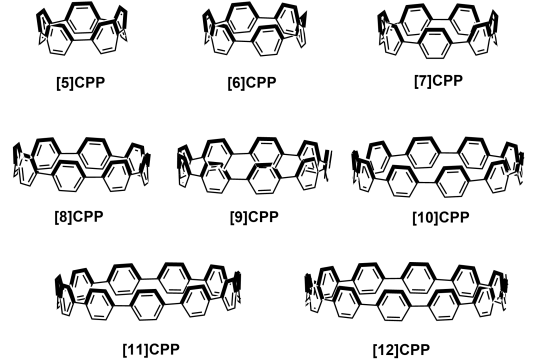
Donor-acceptor nanohoops deliver tunable band gaps, solubility, and persistent pores, enabling better-performing organic semiconductors, sensors, and functional materials.
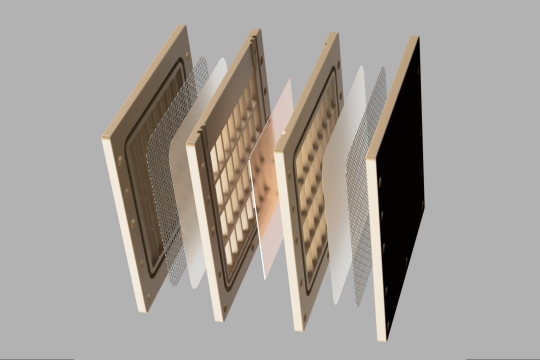
Electrochemical cell designs produce iron from ore and salt water with valuable co-products, enabling cleaner, modular alternatives to blast furnaces.
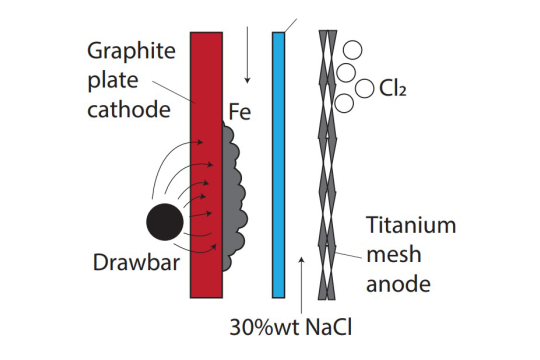
Chlor-Iron converts ore and seawater into iron and chlorine using renewable electricity, cutting emissions while creating valuable co-products for industrial decarbonization.
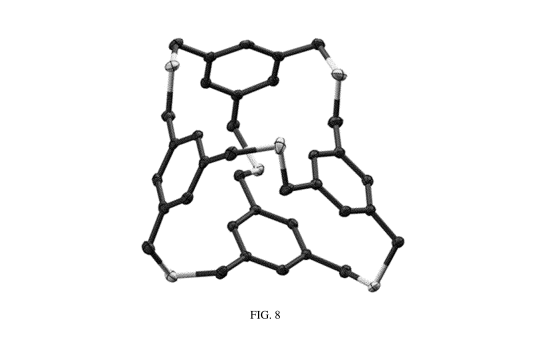
Self-assembly route simplifies cyclophane synthesis, improving yield and functional-group tolerance for scalable production of high-value molecules used in catalysis, plastics, and organic electronics.
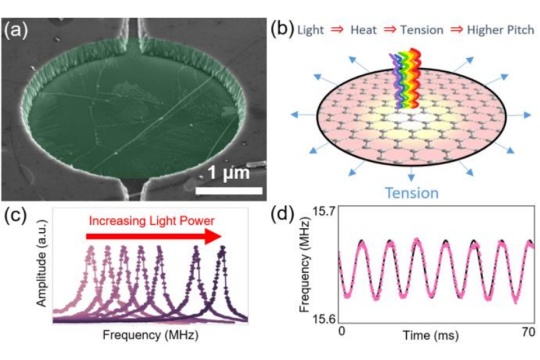
Graphene nanomechanical detector enables fast, broadband, room-temperature light sensing for compact imaging, spectroscopy, and low-power optical instruments.
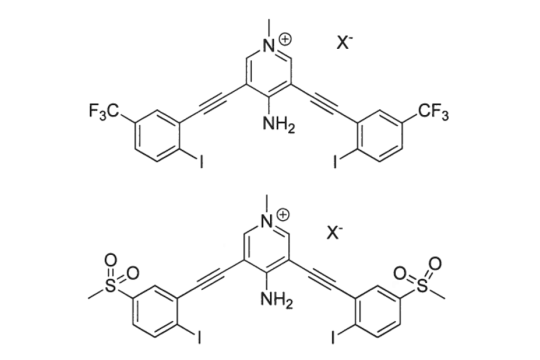
Fluorescent halogen-bond sensors detect anions selectively and reversibly, enabling rapid monitoring for environmental, biomedical, and agricultural applications.
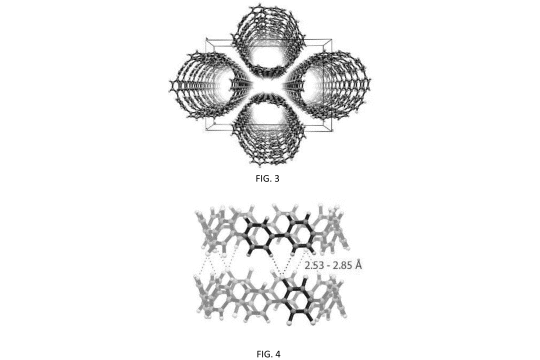
Fluorinated nanohoops self-assemble into uniform nanotube-like channels, creating precision porous materials for separation, storage, and advanced nanomaterials applications.
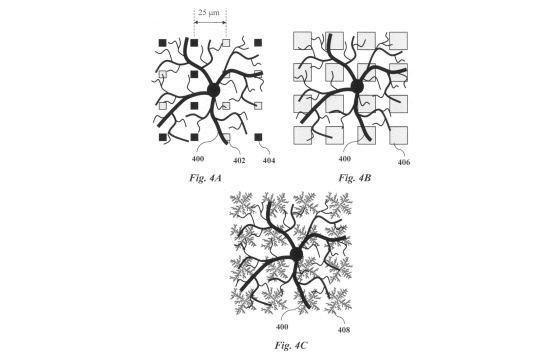
Fractal retinal interfaces mimic neuron branching to improve signal transfer, enabling better artificial retinas and broader neuroelectronic implants for vision restoration and neural repair.
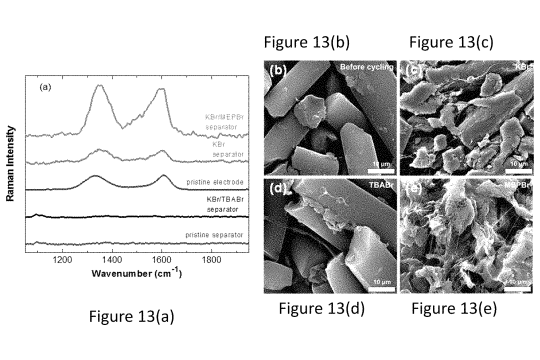
High-voltage redox electrolytes boost supercapacitor energy density while reducing self-discharge, bridging battery and capacitor performance for longer-lasting, fast-charging energy storage.

Stable IIDBT materials offer unusual electronic states for organic electronics, enabling next-generation semiconductors, sensors, and optoelectronic devices.
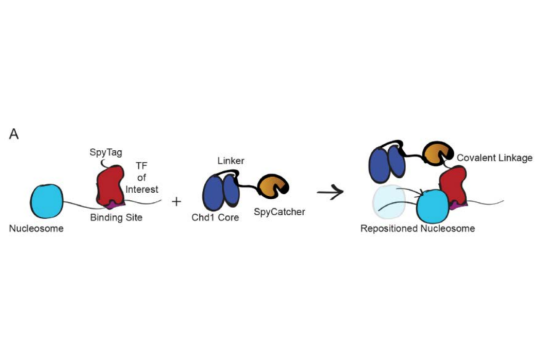
SpyTag/SpyCatcher tools unify protein purification, DNA-binding mapping, and targeted localization, cutting strain-building time across discovery and functional genomics workflows.
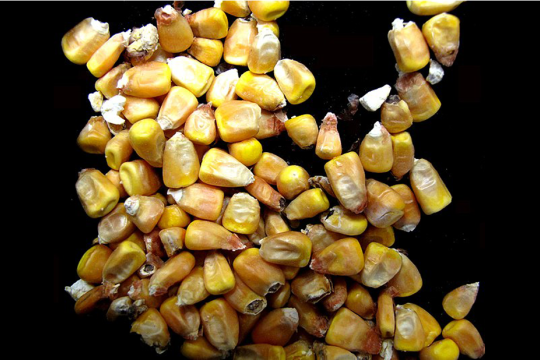
Barcoded sequencing links Mu insertions to maize traits faster, enabling higher-throughput gene discovery and trait validation for crop breeding and agricultural genomics.
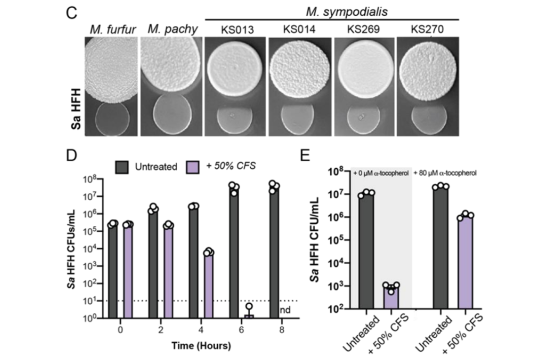
Fungal-secreted antimicrobial kills Staph and boosts antibiotic sensitivity, offering a new anti-infective candidate for resistant infections and combination therapies.
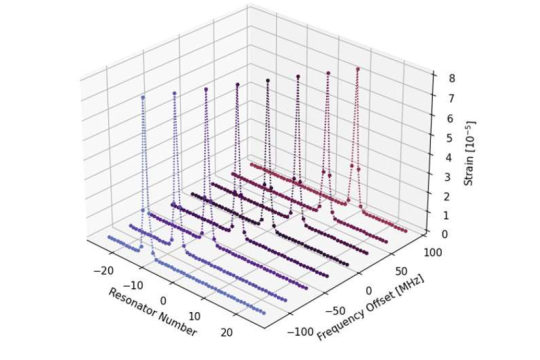
Diamond resonator networks create long-range spin-qubit connectivity, enabling scalable quantum architectures with stronger error-correction and system design flexibility.
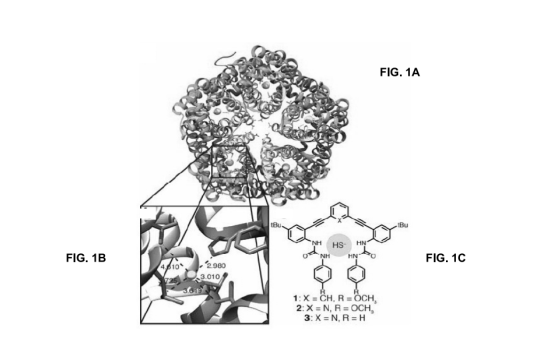
Reversible H2S sensing preserves analyte levels, enabling more accurate biological measurements for diagnostics, imaging, and research workflows.
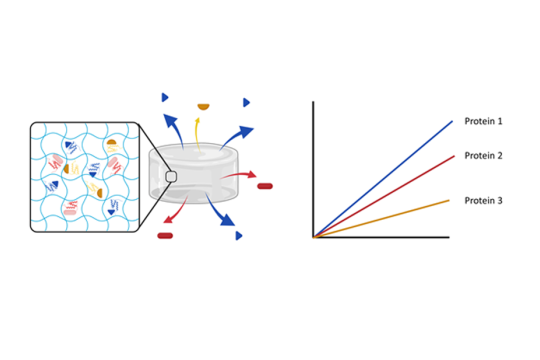
Moderate-affinity affibodies enable independently tuned protein release from hydrogels, improving multi-payload delivery for regenerative medicine and biologic therapies.
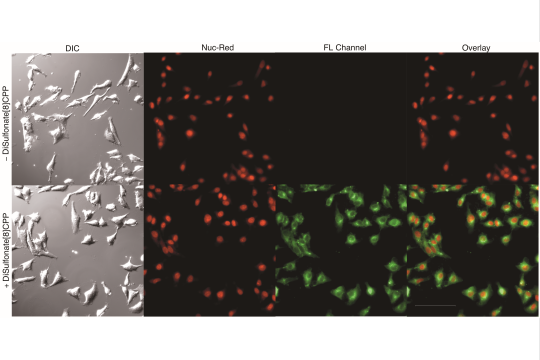
Fluorescent nanohoops provide tunable labels and carriers for imaging, detection, and biomolecule engineering, expanding biotech assay and delivery toolkits.
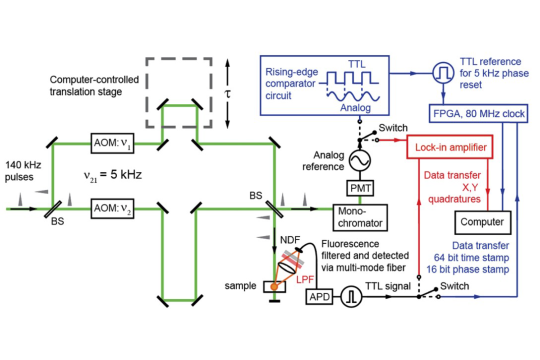
Nonlinear single-molecule FRET measures donor-acceptor orientation and distance more precisely, improving molecular interaction studies, diagnostics, and drug discovery assays.
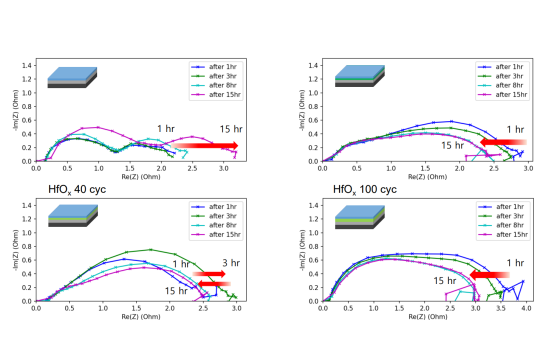
Passivated electrolyzer anodes prevent ionomer degradation while maintaining ion flow, extending lifetime and efficiency in low-cost hydrogen production systems.
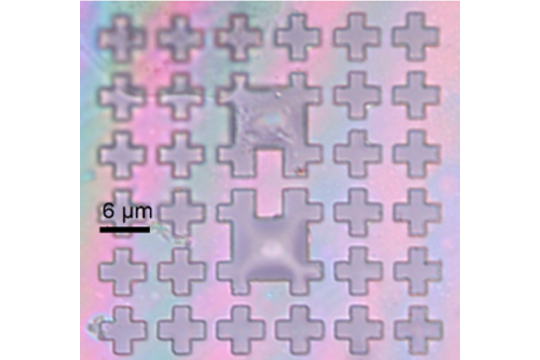
Phononic crystal waveguides enable one-sided spin coupling, creating a scalable architecture for quantum networks, spin-based computing, and secure communications.
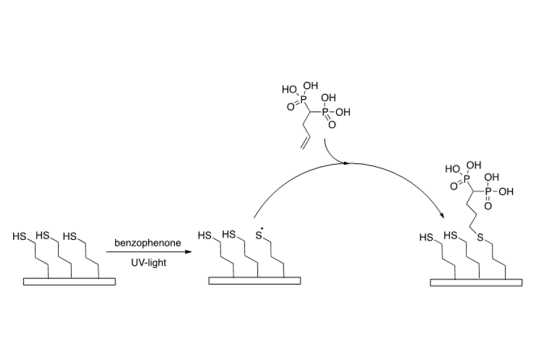
Functionalized silica selectively captures rare earth elements from water and brines, enabling lower-cost recovery for resource extraction, recycling, and water treatment.
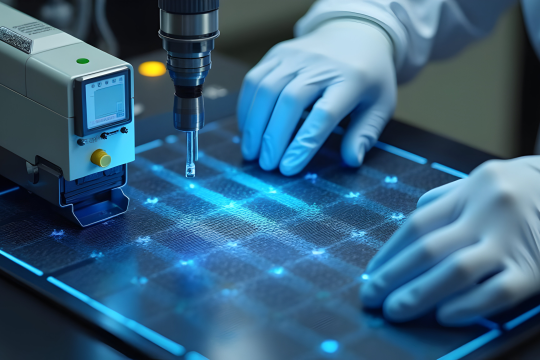
Carbon nanohoop polymers add tunable optoelectronic and mechanical properties, creating differentiated materials for electronics, sensing, and specialty polymers.
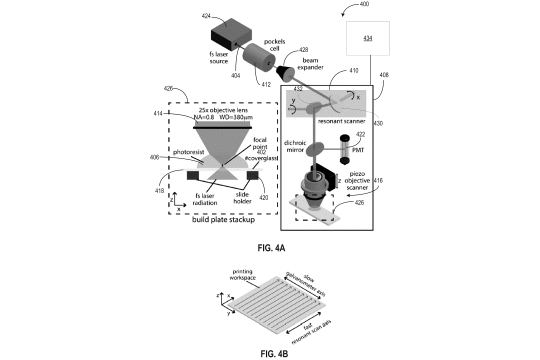
3D-printed electrodes enable customizable multi-electrode neural interfaces with integrated bioactivity, reducing fabrication barriers for neurodevices, wearables, and robotics.
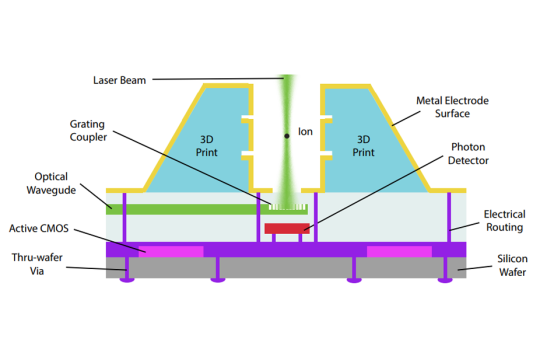
3D-printed ion traps improve trapping depth and wafer integration, reducing manufacturing constraints for scalable quantum computing hardware.
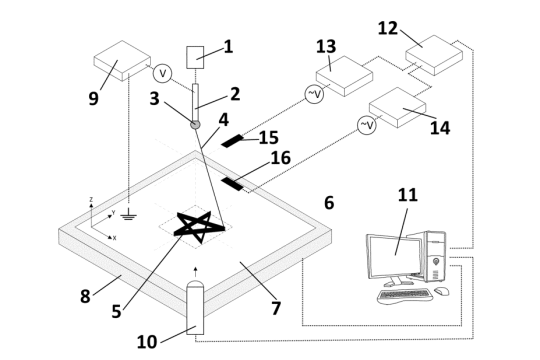
Electrostatically steered EHD printing creates submicron fibers and 3D microstructures at exceptional speed, enabling high-throughput microfabrication for electronics, tissue scaffolds, and sensors.
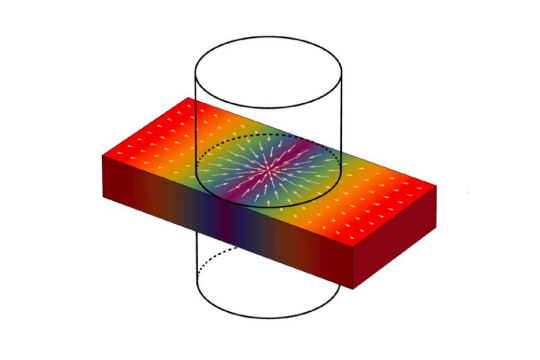
Ultracoherent diamond Lamb-wave resonators enable high-fidelity spin-phonon coupling, advancing scalable quantum computing, networking, and precision sensing platforms.
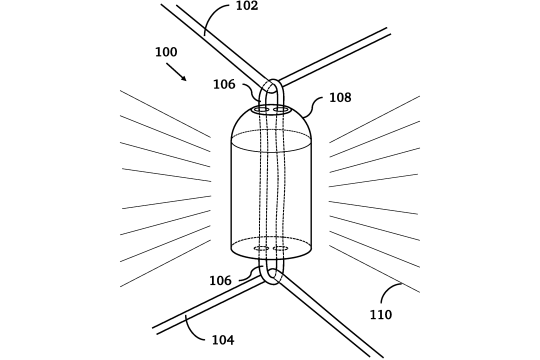
Rechargeable marine lantern combines camping, navigation, and anchor lighting in one rugged device, reducing gear needs for sailors and boaters.
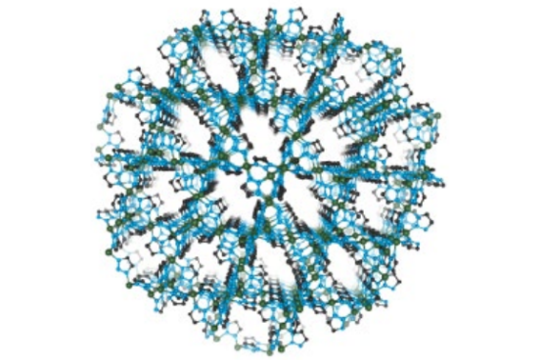
Small triazolate MOF particles form high-quality thin films from solution, enabling scalable electrocatalysis, ion sensing, and functional coatings.
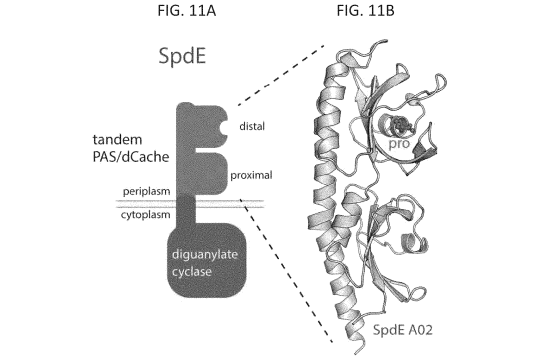
SpdE senses key amino acids at nanomolar levels, enabling sensitive, low-cost biosensing for diagnostics, bioprocess monitoring, and research assays.
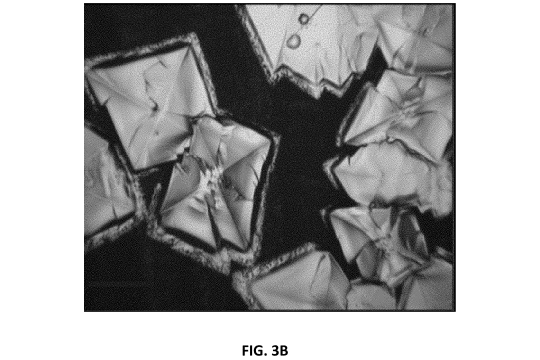
Solution-processable metal-oxide precursors enable clearer, higher-mobility thin films without toxic vapor deposition, lowering manufacturing cost for transistors and transparent electronics.
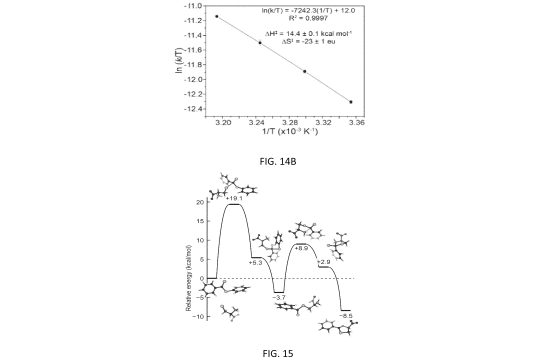
Thionoesters release H2S upon thiol activation, enabling controllable sulfur signaling studies and potential therapeutic delivery with built-in chemical specificity.
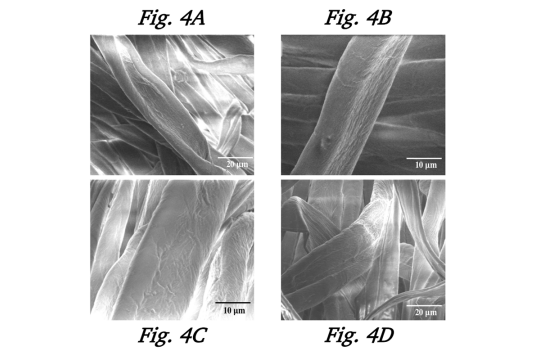
UV-activated aluminum nanocluster coatings create durable water-repellent textiles at ultralow temperatures, enabling scalable finishing for apparel, automotive, and outdoor fabrics.
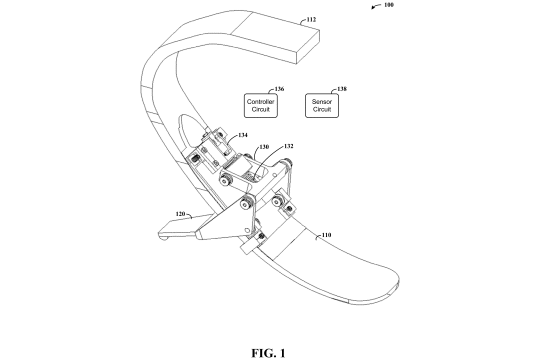
Semi-active prosthesis adapts between walking and running, improving mobility and comfort without high power demands for amputees and prosthetics manufacturers.
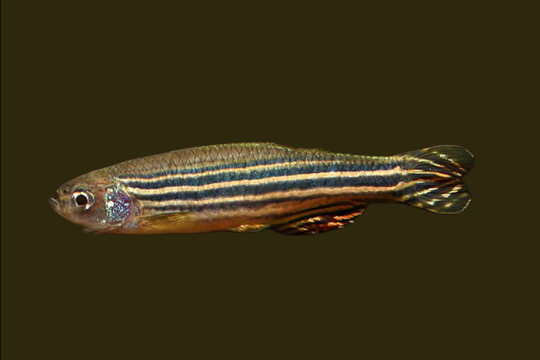
Validated wild-type zebrafish line supports reliable developmental, genetic, and parthenogenesis studies, reducing model variability for research, screening, and transgenic program development.