
Biological H2S / COS Donation by Thiocarbamates
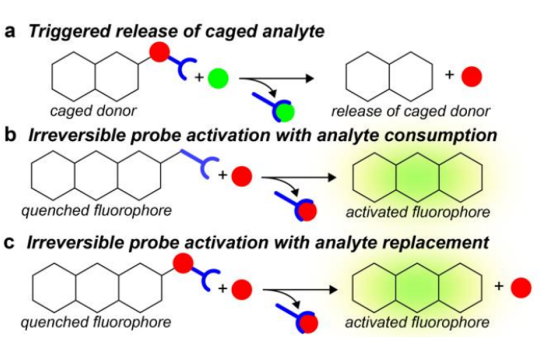
Lead inventor: Michael Pluth
Co-inventors: Andrea Steiger, Yu Zhao
Licensing contact: Christine Gramer
1. Technology Overview
The invention focuses on biological hydrogen sulfide (H2S) and carbonyl sulfide (COS) donation using thiocarbamates. These compounds release COS, which is then converted to H2S by hydrolysis or metabolism by carbonic anhydrase. The technology is currently in the development stage, with promising cross-industry applications in biological detection, imaging, and targeted drug delivery.
2. Key Features and Benefits
- Slow-releasing H2S donors: Provides sustained release of H2S in response to external stimuli.
- Modular donation platform: Allows for modification of triggering moieties and release rates.
- Versatility: Applicable to various industries, including biotechnology and pharmaceuticals.
- Scalability: Synthesis processes can be scaled for larger quantities.
- Targeted Applications: Ideal for biological detection, imaging, and drug delivery systems.
3. Applications and Market Focus
- Biological detection: Use in detecting and imaging biological processes involving H2S.
- Drug delivery: Integration into targeted drug delivery systems.
- Biotechnology: Development of novel biological detection and imaging methods.
- Pharmaceutical industry: Synthesis of complex organic molecules for various applications.
- Chemical industry: Use in advanced synthesis techniques and equipment.
4. Commercial Advantages
- Strategic benefits: Provides reliable and scalable H2S-releasing compounds for various applications.
- Implementation advantages: Facilitates integration into existing biological detection and imaging systems.
- Market positioning: Positions technology as a key enabler for advanced biological detection and drug delivery systems.
- Competitive advantages: Offers slow-releasing H2S donors and modular donation platform compared to existing methods.
5. Partnership Opportunities
- Ideal licensing partners: Biotechnology firms, pharmaceutical companies, chemical industry leaders.
- Cross-sector partnership benefits: Collaboration opportunities across biotechnology and pharmaceutical industries.
- Diverse market opportunities: Potential for global market expansion in regions with strong biotechnology and pharmaceutical industries.
- Collaborative development: Opportunities for joint development of hybrid devices and custom synthesis services.
Patent filing: US10725055B1